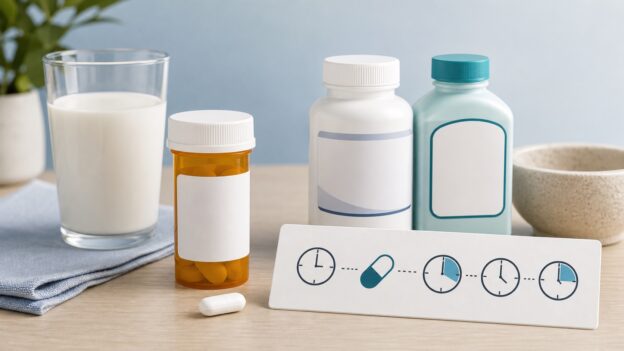
Cipro and Antacids: The Ultimate Dose Separation Guide for Patients
When you are prescribed ciprofloxacin (Cipro), a powerful fluoroquinolone antibiotic used to treat a wide array of bacterial infections ranging from urinary tract infections to severe respiratory ailments, the focus is naturally on clearing the infection. However, the success of this medication is heavily dependent on how your body absorbs it. One of the most significant, yet frequently misunderstood, medication interactions involves ciprofloxacin and over-the-counter antacids. If you rely on antacids to manage heartburn or indigestion, understanding the “Cipro and Antacids” interaction is critical to ensure your antibiotic works effectively.
Editorial safety update: Cipro and Antacids: The Ultimate Dose Separation Guide
Last reviewed: June 20, 2026. This page was updated to make the patient-safety purpose clearer, add practical monitoring steps, and point readers to authoritative ciprofloxacin safety information. It is written for people preparing for a conversation with a prescriber or pharmacist, not for self-diagnosis or medication changes.
How to use this article: focus on the timing of symptoms, whether the infection itself is improving, and which details would help a clinician decide whether ciprofloxacin is still the right choice. For cipro and antacids: the ultimate dose separation guide, the main practical theme is interaction and dose-timing checks.
Key points to take from this page
- Review antacids, iron, zinc, calcium, magnesium, multivitamins, dairy-heavy meals, caffeine, NSAIDs, and other prescriptions with a pharmacist.
- Ask for a written dose schedule if separation timing is confusing or multiple daily medicines are involved.
- Do not double doses to make up for a missed or poorly timed dose unless a clinician or pharmacist tells you to.
Questions worth asking a clinician or pharmacist
- Which medicines or supplements need separation from ciprofloxacin?
- What should I do if I accidentally took an interacting product too close to a dose?
- Are any of my medicines incompatible or higher risk with ciprofloxacin?
Related safety reading on this site
- Cipro and Antacids
- Questions to Ask Your Pharmacist About Cipro Side Effects
- Emergency Warning Signs With Cipro Side Effects
Authoritative sources used for this update
- FDA prescribing information for CIPRO tablets and oral suspension
- MedlinePlus ciprofloxacin drug information
- FDA MedWatch adverse event reporting program
Medical note: seek urgent care for severe allergic symptoms, trouble breathing, sudden severe chest/back/abdominal pain, fainting, seizures, severe confusion, serious blood-sugar symptoms, severe or bloody diarrhea, or sudden tendon pain with loss of function. For less dramatic but new symptoms, contact the prescribing clinician promptly.
The Hidden Danger: Why Cipro and Antacids Don’t Mix
The primary issue with taking ciprofloxacin alongside common antacids is a chemical process known as chelation. Ciprofloxacin molecules are structurally prone to binding with multivalent cations—positively charged metal ions. Most over-the-counter antacids, such as Tums, Rolaids, Maalox, and Mylanta, contain high concentrations of these multivalent cations, specifically:
- Calcium carbonate: Found in Tums and Rolaids.
- Magnesium hydroxide: Found in Milk of Magnesia and Mylanta.
- Aluminum hydroxide: Found in Amphojel and many combination antacids.
When ciprofloxacin and these metal ions meet in your stomach or intestinal tract, they bind together to form an insoluble complex. Because this new, larger complex cannot pass through the intestinal wall into your bloodstream, the antibiotic is instead excreted harmlessly in your stool. Consequently, the concentration of ciprofloxacin in your blood never reaches the necessary levels to eradicate the bacteria causing your infection.
Clinical Impact of Reduced Absorption
Studies have shown that co-administering ciprofloxacin with an aluminum- or magnesium-containing antacid can decrease the peak serum concentration (Cmax) and the total absorption (Area Under the Curve, or AUC) of the antibiotic by as much as 90%. Essentially, if you take these medications at the same time, it is nearly equivalent to not taking the antibiotic at all.
The downstream consequences of this interaction are severe:
- Treatment Failure: The most immediate risk is that your infection will not resolve, potentially worsening and leading to complications like kidney infections (from a UTI) or severe pneumonia.
- Antibiotic Resistance: When bacteria are exposed to sub-lethal doses of an antibiotic, the strongest survive and mutate. This contributes to the growing global crisis of fluoroquinolone-resistant bacterial strains.
- Extended Illness: Treatment failure often necessitates a second course of antibiotics, prolonging your illness and increasing healthcare costs.
The Golden Rule: Timing Your Doses
To prevent chelation and ensure your body absorbs the full dose of ciprofloxacin, strict adherence to a dosing schedule is mandatory. The general rule for separating ciprofloxacin and antacids is to take your antibiotic:
At least 2 hours before, OR at least 6 hours after consuming any antacids containing magnesium, calcium, or aluminum.
Why These Specific Timeframes?
Taking Cipro 2 hours before an antacid allows the antibiotic sufficient time to empty from the stomach and be absorbed in the upper small intestine before the metal ions arrive to interfere.
Waiting 6 hours after an antacid is necessary because antacids can coat the stomach and alter gastric pH for a prolonged period. Furthermore, the metal ions take several hours to move through the gastrointestinal tract. Waiting 6 hours ensures the interfering elements have cleared the absorption sites.
Beyond Traditional Antacids: Other Hidden Interactions
While traditional antacids are the most recognized culprits, the chelation effect applies to numerous other over-the-counter products and prescription medications. You must apply the same “2 hours before or 6 hours after” rule to the following:
- Sucralfate (Carafate): A prescription medication used to treat ulcers, which contains significant amounts of aluminum.
- Iron Supplements: Ferrous sulfate and other iron supplements bind strongly to fluoroquinolones.
- Zinc Supplements: Commonly found in cold remedies (like Zicam) and daily multivitamins.
- Calcium-Fortified Foods: Calcium-fortified orange juice or dairy products can also cause significant reductions in Cipro absorption.
- Phosphate Binders: Medications like sevelamer (Renagel) used in kidney disease patients.
Safe Alternatives for Heartburn Relief While on Cipro
If you suffer from chronic acid reflux (GERD) or experience heartburn while taking ciprofloxacin, you might wonder how to manage your symptoms safely. Fortunately, not all heartburn medications cause chelation. The following classes of medications do not contain multivalent metal ions and are generally safe to take with ciprofloxacin without strict time separation:
1. H2 Receptor Blockers
Medications like famotidine (Pepcid) and cimetidine (Tagamet) work by blocking the histamine receptors in the stomach that trigger acid production. Because they lack calcium, magnesium, or aluminum, they do not bind to ciprofloxacin. However, always confirm with your pharmacist, as some chewable H2 blockers (like Pepcid Complete) are combined with calcium carbonate.
2. Proton Pump Inhibitors (PPIs)
Drugs such as omeprazole (Prilosec), esomeprazole (Nexium), and pantoprazole (Protonix) reduce stomach acid production at the cellular level. They do not cause chelation. It is worth noting, however, that while PPIs do not bind to the drug, significantly reducing stomach acid over a long period could theoretically alter the solubility of some medications. For short-term Cipro courses, this is generally not a clinical concern, but discussing it with your doctor is advised.
Practical Strategies for Managing Your Medication Schedule
Managing multiple medications can be overwhelming. Here are practical tips to ensure you space your ciprofloxacin and antacid doses correctly:
- Use Smartphone Alarms: Set specific alarms for your Cipro dose and separate alarms for your antacid doses. Label them clearly.
- Pill Organizers: Utilize a daily pill organizer to visually track whether you have taken your scheduled dose at the correct time.
- Keep a Medication Log: Write down the exact time you take each medication. This removes the guesswork and prevents accidental overlapping.
- Consult Your Pharmacist: Ask your pharmacist to perform a comprehensive medication review. They can print a personalized daily schedule outlining exactly when to take each pill.
The Impact of Food on Cipro Absorption
While we are focusing on antacids, it is essential to touch upon dietary considerations. Ciprofloxacin can be taken with or without food. Taking it with a regular meal that happens to contain some dairy (like a slice of cheese on a sandwich) will not significantly impact absorption. However, taking Cipro strictly with milk, yogurt, or calcium-fortified juices alone will cause the same chelation effect as antacids.
Therefore, if you choose to take Cipro with dairy, ensure it is part of a larger, mixed meal to dilute the calcium concentration.
Frequently Asked Questions (FAQ)
Can I just take a higher dose of Cipro if I accidentally took it with an antacid?
No. You should never adjust your antibiotic dosage without consulting a physician. Taking a higher dose increases the risk of severe Cipro side effects, such as tendon rupture or central nervous system toxicity. If you realize you took them together, contact your doctor or pharmacist for guidance; they may advise you to take your next dose at the scheduled time.
Is it safe to take Pepto-Bismol with Ciprofloxacin?
Pepto-Bismol contains bismuth subsalicylate. Bismuth is a trivalent cation that can also chelate with ciprofloxacin, significantly reducing its absorption. You should apply the same separation rules (2 hours before or 6 hours after) for Pepto-Bismol as you would for traditional antacids.
Do digestive enzymes interact with Cipro?
Standard digestive enzymes (like lactase or pancreatic enzymes) do not typically contain the metal ions that cause chelation. However, always check the label, as some digestive health supplements are combined with calcium or magnesium.
What happens if I mix Cipro with baking soda (sodium bicarbonate) for heartburn?
Sodium bicarbonate does not contain multivalent cations (sodium is a monovalent cation), so it does not cause the severe chelation seen with calcium or magnesium. However, large amounts of baking soda drastically alter stomach pH, which could mildly affect drug solubility. It is best to use an H2 blocker instead.
How long does the interaction risk last after I finish my Cipro prescription?
Once you have completed your entire prescribed course of ciprofloxacin and the final dose has been absorbed (usually within 12-24 hours after the last pill), you can resume your normal antacid regimen without concern for interactions.
Conclusion
Ciprofloxacin is a potent tool in fighting bacterial infections, but its efficacy is fragile when confronted with over-the-counter antacids. The chemical binding that occurs between Cipro and calcium, magnesium, or aluminum can render your antibiotic useless, leading to prolonged illness and the dangerous development of antibiotic-resistant bacteria. By strictly adhering to the “2 hours before or 6 hours after” rule, utilizing safe alternatives like H2 blockers, and carefully managing your dosing schedule, you can ensure your treatment is safe, effective, and successful.
References
- Food and Drug Administration (FDA). Ciprofloxacin Prescribing Information.
- Mayo Clinic. (2023). Ciprofloxacin (Oral Route) Proper Use.
- Nix, D. E., et al. (1990). The effect of aluminum and magnesium antacids on the absorption of ciprofloxacin. Clinical Pharmacology & Therapeutics.
- Lomaestro, B. M., & Bailie, G. R. (1991). Quinolone-cation interactions: a review. DICP: The Annals of Pharmacotherapy.
- UpToDate. Fluoroquinolones: Drug interactions.
Medical Disclaimer: This article is for educational purposes only and is not a substitute for professional medical advice, diagnosis, or treatment. Always consult a qualified healthcare provider before making any decisions about medications. If you experience severe symptoms, seek emergency medical care immediately.