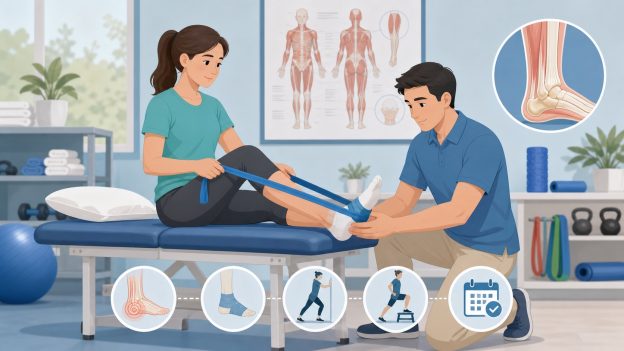
The Hidden Threat: Ciprofloxacin and Your Shoulder Health
Ciprofloxacin, commonly marketed under the brand name Cipro, is a formidable weapon in the medical arsenal against bacterial infections. As a second-generation fluoroquinolone, it exhibits potent bactericidal activity by inhibiting DNA gyrase and topoisomerase IV, effectively halting bacterial replication. While its efficacy in treating severe urinary tract infections, prostatitis, and bacterial gastroenteritis is well-documented, Cipro carries a dark shadow: a profound risk of musculoskeletal toxicity. The United States Food and Drug Administration (FDA) has consistently strengthened its black box warnings, alerting healthcare providers and patients to the risk of disabling and potentially irreversible tendinopathy and tendon rupture.
Editorial safety update: Ciprofloxacin and Shoulder Health: Warning Signs of Tendon Damage and Safe Interventions
Last reviewed: June 20, 2026. This page was updated to make the patient-safety purpose clearer, add practical monitoring steps, and point readers to authoritative ciprofloxacin safety information. It is written for people preparing for a conversation with a prescriber or pharmacist, not for self-diagnosis or medication changes.
How to use this article: focus on the timing of symptoms, whether the infection itself is improving, and which details would help a clinician decide whether ciprofloxacin is still the right choice. For ciprofloxacin and shoulder health: warning signs of tendon damage and safe interventions, the main practical theme is tendon, muscle, and joint safety.
Key points to take from this page
- Pause strenuous activity and contact a clinician promptly if new tendon pain, swelling, warmth, stiffness, or sudden weakness appears.
- Mention corticosteroid use, age over 60, kidney disease, transplant history, or a prior tendon problem because these can change the risk discussion.
- Track where the pain started, which dose day it appeared on, and whether walking, gripping, lifting, or stairs make it worse.
Questions worth asking a clinician or pharmacist
- Does this symptom fit a tendon warning that needs an exam or imaging?
- Should activity be restricted until a clinician reviews the symptom pattern?
- Is there a non-fluoroquinolone option for this infection if risk factors are present?
Related safety reading on this site
- Cipro and Steroids: Tendon Risk
- Emergency Warning Signs With Cipro Side Effects
- Questions to Ask Your Pharmacist About Cipro Side Effects
Authoritative sources used for this update
- FDA prescribing information for CIPRO tablets and oral suspension
- MedlinePlus ciprofloxacin drug information
- FDA MedWatch adverse event reporting program
Medical note: seek urgent care for severe allergic symptoms, trouble breathing, sudden severe chest/back/abdominal pain, fainting, seizures, severe confusion, serious blood-sugar symptoms, severe or bloody diarrhea, or sudden tendon pain with loss of function. For less dramatic but new symptoms, contact the prescribing clinician promptly.
While the vast majority of clinical literature and patient awareness focuses on the Achilles tendon, the shoulder joint—specifically the complex network of the rotator cuff and the long head of the biceps tendon—is frequently victimized by Ciprofloxacin toxicity. Shoulder tendinopathy induced by Cipro often presents insidiously. It mimics common overuse injuries or age-related degeneration, leading to dangerous misdiagnoses. Recognizing the early warning signs of shoulder tendon pain and understanding the exact moment to cease activity is paramount. This extensive guide provides deep insights into the biochemical warfare Cipro wages on shoulder tendons, the critical symptoms to monitor, and evidence-based protocols for safeguarding your upper body mobility.
Biomechanics and Biochemistry: Why Cipro Targets the Shoulder
The human shoulder is a marvel of evolutionary engineering, designed to prioritize an immense range of motion over structural stability. The glenohumeral joint (the main ball-and-socket joint) relies on a delicate balance of dynamic stabilizers—primarily the four muscles of the rotator cuff (supraspinatus, infraspinatus, teres minor, and subscapularis) and their associated tendons. These tendons are subjected to continuous mechanical stress, friction, and shear forces, particularly during overhead movements.
To comprehend why Ciprofloxacin is so destructive to these specific tissues, one must delve into the tendon’s microscopic architecture. Tendons are comprised predominantly of Type I collagen, arranged in highly organized, parallel bundles that provide tensile strength. Cipro attacks this structure through several converging mechanisms:
- Upregulation of Matrix Metalloproteinases (MMPs): Research published in the Journal of Orthopaedic Research demonstrates that fluoroquinolones aggressively increase the expression and activity of MMPs, particularly MMP-1 and MMP-3. These enzymes are biological scissors; they cleave the triple-helix structure of collagen, leading to rapid degradation of the tendon matrix.
- Mitochondrial Toxicity and Oxidative Stress: Ciprofloxacin profoundly disrupts mitochondrial function within tenocytes (tendon cells). This mitochondrial dysfunction leads to a massive release of reactive oxygen species (ROS). The resulting oxidative stress damages cellular DNA and lipids, triggering widespread apoptosis (programmed cell death) within the rotator cuff tendons.
- Magnesium Chelation: Fluoroquinolones possess a high affinity for multivalent cations. They chelate (bind to) intracellular magnesium, a critical cofactor required for cellular energy production (ATP synthesis) and collagen formation. By stripping the tendon of its available magnesium, Cipro effectively paralyzes the tissue’s innate repair mechanisms.
- The Vascular Watershed Vulnerability: Similar to the Achilles, the supraspinatus tendon in the shoulder possesses a critical “watershed” zone—an area of naturally poor blood supply located approximately 1 centimeter proximal to its insertion on the greater tuberosity. Because this region is hypovascular, it is uniquely susceptible to ischemic and chemical damage, and it struggles to clear the toxic accumulation of Ciprofloxacin.
Statistical Perspectives on Upper Extremity Tendinopathy
While definitive epidemiological data on upper extremity fluoroquinolone-induced tendinopathy is less prevalent than data on the lower extremities, recent pharmacovigilance studies reveal alarming trends. According to an analysis of the FDA Adverse Event Reporting System (FAERS), upper extremity tendon ruptures (involving the shoulder, bicep, and wrist) account for approximately 15% to 20% of all reported fluoroquinolone-related tendon events.
Furthermore, the risk is not distributed evenly across the population. A landmark retrospective cohort study highlighted in the British Medical Journal (BMJ) found that patients taking concurrent systemic corticosteroids (such as prednisone) while on Ciprofloxacin face a massively amplified risk. The combination of steroids (which independently weaken collagen) and Cipro creates a synergistic destructive effect, increasing the likelihood of tendon rupture by up to 46-fold. Patients over the age of 60, organ transplant recipients, and individuals with a history of renal impairment also exhibit exponentially higher rates of adverse shoulder events.
The 5 Critical Warning Signs of Shoulder Tendon Damage
The progression from a healthy rotator cuff to a completely ruptured tendon is rarely instantaneous. Ciprofloxacin toxicity typically manifests through a prodromal phase characterized by subtle, progressive symptoms. Identifying these early warning signs is your primary defense against permanent structural damage. If you are taking Cipro, or have taken it within the last six months, monitor for the following five clinical indicators:
1. Deep, Unprovoked Aching in the Anterior Shoulder
The initial symptom is rarely a sharp pain, but rather a profound, deep-seated ache located in the front (anterior) of the shoulder or deep within the joint. Unlike delayed onset muscle soreness (DOMS) which follows exercise and improves within days, Cipro-induced aching occurs at rest. It is often described as a throbbing or burning sensation that persists regardless of your activity level.
2. The “Catching” Sensation During Abduction
The supraspinatus tendon is responsible for initiating the abduction of the arm (lifting it out to the side). As the damaged, swollen tendon attempts to slide beneath the acromion bone, it can become mechanically impinged. Patients frequently report a sharp, catching pain or a painful “arc” when lifting their arm between 60 and 120 degrees. If reaching for a high shelf or putting on a coat suddenly causes a sharp stabbing sensation, this is a glaring red flag.
3. Nocturnal Pain and Sleep Disruption
One of the hallmark signs of severe rotator cuff pathology is nocturnal pain. The inflammatory response generated by the degenerating tendon often worsens at night when the body is at rest. Patients may find it impossible to sleep on the affected side. The pain may be severe enough to awaken them from a deep sleep, leading to compounding fatigue and distress.
4. Sudden, Unexplained Weakness
Because the structural integrity of the tendon is chemically compromised, its ability to transmit force from the muscle to the bone is drastically reduced. You may notice a sudden, alarming drop in upper body strength. Tasks that were previously effortless—such as pouring a heavy jug of milk, lifting a frying pan, or steering a car—may suddenly feel impossible. This weakness is not due to muscular fatigue, but rather the failure of the tendon to handle the mechanical load.
5. Palpable Heat and Tenderness Along the Bicipital Groove
The long head of the biceps tendon, which runs down the front of the shoulder, is another frequent casualty of Cipro toxicity. You may experience highly localized tenderness when pressing on the front of the shoulder (specifically the bicipital groove). In acute inflammatory phases, the area may even feel warm to the touch and exhibit mild swelling (tenosynovitis).
Crucial Interventions: When to Stop and How to Modify Activity
The cardinal rule of navigating fluoroquinolone-induced tendon pain is unequivocal: Do not push through the pain. The “no pain, no gain” philosophy is catastrophically dangerous when dealing with chemically weakened connective tissue. If you experience any of the warning signs detailed above, immediate and decisive action is required.
Immediate Cessation of the Offending Medication (With Medical Supervision)
If tendon symptoms appear, you must contact your prescribing physician immediately. As noted in our comprehensive day-by-day tracking guide, the first step is usually the discontinuation of Ciprofloxacin. Your physician will transition you to a non-fluoroquinolone antibiotic—such as a cephalosporin, macrolide, or tetracycline—that is appropriate for your specific infection but does not carry the risk of collagen degradation.
Halt All Overhead and Resistance Activities
The moment shoulder tightness or pain registers, all upper body resistance training must stop. This includes weightlifting (bench press, shoulder press, pull-ups), racket sports, swimming, and vigorous yoga. Furthermore, eliminate all overhead reaching in your daily life. Store frequently used items at waist height. The goal is to remove all mechanical shear forces from the compromised supraspinatus and biceps tendons to prevent a partial tear from progressing to a full-thickness rupture.
Implement Strict Ergonomic Protocols
Poor posture exacerbates tension on the rotator cuff. Ensure your workspace is optimized to keep your shoulders in a neutral, relaxed position. Avoid hunching over a keyboard or awkwardly cradling a phone between your ear and shoulder. When resting or sleeping, use pillows to support the affected arm, preventing it from drooping and placing constant tension on the inflamed tissues.
Diagnostic Imaging and the Role of Ultrasound
If the pain is severe or accompanied by profound weakness, your doctor may order diagnostic imaging. Musculoskeletal ultrasound is highly effective and relatively inexpensive for detecting tenosynovitis (fluid around the tendon) and partial tears. An MRI may be necessary for a detailed evaluation of deep matrix degradation. Early imaging can guide the rehabilitation process and prevent you from engaging in activities that could worsen the unseen damage.
Navigating the Long Road to Recovery
Recovering from Cipro-induced shoulder tendinopathy is an exercise in immense patience. Unlike traditional tendinitis, which may resolve in weeks, fluoroquinolone toxicity requires the body to physically clear the drug from the tissue and slowly rebuild the damaged collagen matrix. This process can take several months, and in some unfortunate cases, up to a year.
Physical therapy is eventually necessary, but it must be incredibly conservative. Traditional aggressive physical therapy protocols involving heavy eccentric loading can destroy a Cipro-weakened tendon. Rehabilitation should begin with gentle, pain-free isometric holds and very gradual progression of range-of-motion exercises. Many patients find relief with modalities that encourage cellular repair without mechanical stress, though robust clinical trials for these interventions in the context of fluoroquinolone toxicity are still evolving.
Frequently Asked Questions (FAQ)
1. How long after stopping Cipro can shoulder pain start?
The FDA black box warning explicitly states that tendon symptoms and ruptures can occur during treatment, within days of stopping, or even up to several months after the final dose. The biochemical damage initiates quickly, but the structural failure often happens later when mechanical stress is applied to the weakened tissue.
2. Are corticosteroid injections safe for Cipro-induced shoulder pain?
Absolutely not. Corticosteroid injections into the shoulder joint or subacromial space are highly contraindicated for patients suffering from fluoroquinolone toxicity. Steroids inhibit collagen synthesis and further weaken the tendon structure. Combining Cipro damage with localized steroids drastically increases the likelihood of a catastrophic tendon rupture.
3. Can dietary supplements help rebuild my shoulder tendons?
While large-scale clinical trials are lacking, many specialists recommend supportive nutritional strategies. Magnesium supplementation (if you are no longer taking the antibiotic) can help restore intracellular levels. Vitamin C is essential for collagen cross-linking, and high-quality protein or collagen peptides may provide the necessary building blocks for tissue repair. Always discuss supplementation with your healthcare provider.
4. Will my shoulder ever regain its pre-Cipro strength?
The prognosis varies widely among individuals. Factors such as age, concurrent medications, the total dose of Cipro received, and how quickly the medication was stopped all play a role. While many patients achieve a full functional recovery through meticulous pacing and specialized physical therapy, a subset of patients does experience chronic, long-term limitations in range of motion and strength.
References
- U.S. Food and Drug Administration (FDA). (2016). FDA Drug Safety Communication: FDA updates warnings for oral and injectable fluoroquinolone antibiotics due to disabling side effects.
- Stephenson, A. L., Wu, W., Cortes, D., & MacFadden, D. R. (2013). Tendon Injury and Fluoroquinolone Use: A Systematic Review. Drug Safety, 36(9), 709-721.
- Sendzik, J., Shakibaei, M., Pfaff, J. A., & Stahlmann, R. (2005). Fluoroquinolones cause changes in extracellular matrix, decline in integrin receptors, and apoptosis in cultivated tenocytes. Toxicology, 212(1), 24-36.
- UpToDate. (2023). Fluoroquinolones: Overview of adverse effects.
- Journal of Shoulder and Elbow Surgery. (2018). The impact of medications on rotator cuff tendon healing.
- NICE (National Institute for Health and Care Excellence) Guidelines. (2019). Fluoroquinolone antibiotics: new restrictions and precautions for use due to very rare reports of disabling and potentially long-lasting or irreversible side effects.
Medical Disclaimer: This article is for educational purposes only and is not a substitute for professional medical advice, diagnosis, or treatment. Always consult a qualified healthcare provider before making any decisions about medications. If you experience severe symptoms, seek emergency medical care immediately.