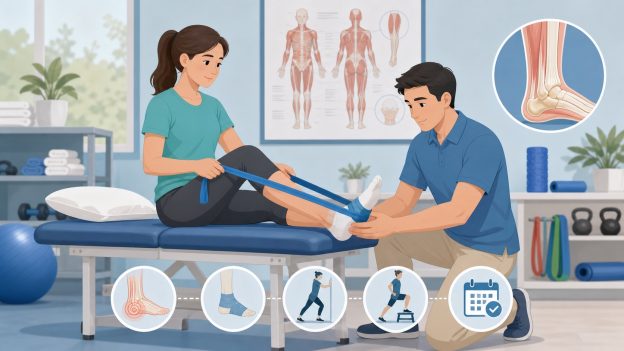
Understanding the Stealthy Timeline of Cipro Toxicity
When prescribed Ciprofloxacin (Cipro)—a powerful and frequently utilized fluoroquinolone antibiotic—most patients anticipate a rapid resolution of their bacterial infection. What many are unprepared for is the potential for profound musculoskeletal side effects. The U.S. Food and Drug Administration (FDA) has repeatedly escalated its black box warnings, highlighting the severe risk of tendinopathy, tendon rupture, and peripheral neuropathy associated with this drug class. Unlike the immediate onset of an allergic reaction or gastrointestinal upset, fluoroquinolone-induced tendon toxicity operates on a stealthy, delayed, and highly unpredictable timeline.
Editorial safety update: Cipro Tendon Toxicity: A Comprehensive Day-by-Day Monitoring Guide for Patients
Last reviewed: June 20, 2026. This page was updated to make the patient-safety purpose clearer, add practical monitoring steps, and point readers to authoritative ciprofloxacin safety information. It is written for people preparing for a conversation with a prescriber or pharmacist, not for self-diagnosis or medication changes.
How to use this article: focus on the timing of symptoms, whether the infection itself is improving, and which details would help a clinician decide whether ciprofloxacin is still the right choice. For cipro tendon toxicity: a comprehensive day-by-day monitoring guide for patients, the main practical theme is tendon, muscle, and joint safety.
Key points to take from this page
- Pause strenuous activity and contact a clinician promptly if new tendon pain, swelling, warmth, stiffness, or sudden weakness appears.
- Mention corticosteroid use, age over 60, kidney disease, transplant history, or a prior tendon problem because these can change the risk discussion.
- Track where the pain started, which dose day it appeared on, and whether walking, gripping, lifting, or stairs make it worse.
Questions worth asking a clinician or pharmacist
- Does this symptom fit a tendon warning that needs an exam or imaging?
- Should activity be restricted until a clinician reviews the symptom pattern?
- Is there a non-fluoroquinolone option for this infection if risk factors are present?
Related safety reading on this site
- Cipro and Steroids: Tendon Risk
- Emergency Warning Signs With Cipro Side Effects
- Questions to Ask Your Pharmacist About Cipro Side Effects
Authoritative sources used for this update
- FDA prescribing information for CIPRO tablets and oral suspension
- MedlinePlus ciprofloxacin drug information
- FDA MedWatch adverse event reporting program
Medical note: seek urgent care for severe allergic symptoms, trouble breathing, sudden severe chest/back/abdominal pain, fainting, seizures, severe confusion, serious blood-sugar symptoms, severe or bloody diarrhea, or sudden tendon pain with loss of function. For less dramatic but new symptoms, contact the prescribing clinician promptly.
Because the biochemical assault on the body’s connective tissues is cumulative, damage often occurs silently before pain registers. By the time a patient feels the classic “tightness” or aching in their Achilles, shoulder, or knee, significant structural degradation of the collagen matrix has already taken place. This delayed pathogenesis makes casual, reactive monitoring incredibly dangerous. To prevent permanent disability, patients require a proactive, structured framework. This comprehensive day-by-day monitoring guide is designed to help you track micro-symptoms, recognize the physiological danger zones, and understand exactly when to intervene.
The Pharmacokinetics of Tendon Destruction
To appreciate why a day-by-day guide is necessary, one must understand how Ciprofloxacin behaves within the human body. The drug possesses excellent tissue penetration, which makes it highly effective against deep-seated infections. Unfortunately, this also means it rapidly permeates tendon and cartilage tissue.
Once inside the tendon tissue, Cipro triggers a cascade of destructive events:
- Magnesium Depletion: Ciprofloxacin vigorously chelates (binds to) intracellular magnesium. Because magnesium is vital for the synthesis of ATP (cellular energy) and the cross-linking of collagen fibers, its sudden depletion halts the tendon’s natural repair processes.
- Enzymatic Upregulation: The drug artificially stimulates the production of Matrix Metalloproteinases (MMPs)—specifically MMP-1 and MMP-3. These enzymes are designed to break down old collagen. When over-activated by Cipro, they begin rapidly dissolving healthy tendon structures.
- Oxidative Stress: Fluoroquinolones damage the mitochondria within tenocytes (tendon cells), leading to an explosion of reactive oxygen species (ROS). This intense oxidative stress causes the cells to undergo apoptosis (programmed death).
This biochemical destruction is dose-dependent and cumulative. It takes time for the MMPs to dissolve enough collagen to compromise the tendon’s tensile strength, which is why symptoms rarely appear on the very first day, and frequently emerge well after the prescription is finished.
Days 1 to 3: The Initiation Phase and Baseline Assessment
The first 72 hours of a Ciprofloxacin course are rarely characterized by severe tendon pain, but they are the most critical days for establishing a physical baseline.
Day 1: Establishing the Baseline
Before consuming your first pill, perform a thorough joint inventory. Note any pre-existing aches, pains, or stiffness in your Achilles tendons, knees, hips, shoulders, and wrists. Documenting this baseline is essential so you do not falsely attribute an old injury to the medication, nor mistakenly dismiss new drug-induced pain as “normal wear and tear.”
Day 2: Monitoring Systemic Warning Signs
As the drug reaches a steady-state concentration in your bloodstream, monitor for systemic signs of fluoroquinolone toxicity. These often precede musculoskeletal symptoms. Be alert for sudden, unexplained anxiety, insomnia, brain fog, or the onset of peripheral neuropathy (tingling, burning, or “pins and needles” sensations in your extremities). If these neurological symptoms appear, contact your doctor immediately, as they are strong indicators of severe drug intolerance.
Day 3: The Initial Mobility Check
Begin incorporating a simple, daily mobility check. Gently rotate your shoulders. Perform a slow, controlled calf raise (holding a wall for balance). Deeply bend your knees. Are there any new sensations of friction, grinding, or unnatural stiffness compared to Day 1? Document any subtle changes.
Days 4 to 14: The Acute Danger Window
Extensive clinical data, including pharmacovigilance reports submitted to the FDA, reveal that the highest incidence of acute tendinopathy occurs between day 4 and day 14 of fluoroquinolone therapy. The drug concentration in the tissue is peaking, and the enzymatic degradation of collagen is in full swing.
Days 4-6: The Onset of “Tightness”
This is the period when patients typically report the first subtle signs of connective tissue distress. Pay microscopic attention to the Achilles tendons. Do you wake up with significant stiffness in your heels that takes 15 to 30 minutes to resolve? Does your shoulder ache deeply at rest? Do not ignore these symptoms. This “tightness” is the physical sensation of the tendon losing elasticity and becoming fibrotic.
Days 7-10: Localized Pain and Inflammation
If the chemical damage continues unchecked, the tightness will evolve into localized pain. Track the exact location of the discomfort. Pain that is sharp, burning, and isolated directly on the tendon cord (rather than the muscle belly) is a major red flag. You may also observe physical signs of tenosynovitis: localized swelling, heat, and redness over the affected tendon.
Days 11-14: Gait Alteration and Mechanical Failure
By the end of the second week, heavily damaged tendons will begin to fail under normal mechanical loads. Monitor your subconscious movements. Are you limping? Are you walking flat-footed to avoid engaging your calf? Are you unable to lift objects above your head? If you experience severe pain accompanied by an inability to bear weight, a partial tear has likely occurred. Immediate immobilization and medical intervention are mandatory.
Weeks 3 to 12: The Post-Treatment “Phantom” Danger Zone
A widespread and deeply dangerous misconception is that once the final Cipro pill is swallowed, the threat has evaporated. In reality, the 90 days following the completion of the prescription represent a massive danger zone for catastrophic tendon ruptures.
The Delayed Rupture Phenomenon
The biochemical changes initiated by Cipro—the upregulation of MMPs and the depletion of magnesium—persist long after the drug is excreted. The tendon matrix remains structurally compromised. Many patients, feeling better from their bacterial infection, eagerly return to their normal exercise routines (running, tennis, heavy lifting). Because the tendon is internally hollowed out, the sudden reintroduction of heavy mechanical stress results in a sudden, violent rupture.
The 20% Return-to-Activity Rule
During these weeks, physical activity must be reintroduced with extreme caution. Adopt the “20% Rule”: When returning to exercise, start at only 20% of your pre-Cipro volume and intensity. If you normally run 5 miles, jog lightly for 1 mile and stop. Wait a full 48 to 72 hours. If no tendon pain or unnatural stiffness develops, you may slowly titrate the volume upwards. Never utilize explosive, plyometric movements during this phase.
Months 4 to 6: Long-Term Surveillance
The FDA black box warning explicitly states that tendon ruptures can occur up to several months after drug cessation. While the acute inflammatory phase has usually passed, the long, slow process of cellular turnover and collagen rebuilding is still occurring.
During this final monitoring phase, patients should maintain a general awareness of their joint health. Continue to avoid high-risk activities that place sudden, massive shear forces on the tendons (like heavy Olympic weightlifting or sprinting without extensive warm-ups). If you experience a sudden “snap” or “pop” in a joint during this period, followed by immediate weakness, go to the emergency room, as delayed ruptures are well-documented.
The Essential Daily Tracking Log
To effectively implement this monitoring framework, keep a simple daily journal. Rate the following metrics every morning:
- Morning Stiffness Duration: How many minutes does it take for your joints to feel “normal” after getting out of bed? (Normal is < 5 minutes. > 15 minutes requires attention).
- Resting Pain Scale (0-10): Rate the deep aching pain in major joints (Achilles, shoulders, knees) while sitting completely still.
- Activity Pain Scale (0-10): Rate the pain experienced during normal daily movements (walking up stairs, reaching for shelves).
- Visual Inspection: Note any visible swelling, redness, or heat around the tendon insertions.
- Gait Check: Note if you are limping or favoring one side of your body.
If your numbers trend upward on any of these metrics for two consecutive days while taking Cipro, contact your prescribing doctor immediately to discuss transitioning to a safer alternative antibiotic class.
Frequently Asked Questions (FAQ)
1. Should I stop taking Cipro immediately if I notice stiffness on Day 4?
You should never abruptly stop taking a prescribed antibiotic without speaking to your doctor, as this can lead to dangerous, antibiotic-resistant infections. However, you must contact your physician immediately to report the stiffness. They will evaluate your symptoms and likely switch you to a non-fluoroquinolone antibiotic.
2. Does taking ibuprofen help prevent the tendon damage?
No. In fact, taking Non-Steroidal Anti-Inflammatory Drugs (NSAIDs) like ibuprofen alongside fluoroquinolones is generally discouraged. Concurrent use can increase the risk of severe central nervous system side effects (such as seizures or intense anxiety). Furthermore, NSAIDs only mask the pain; they do nothing to stop the enzymatic degradation of the collagen matrix.
3. I am an athlete. How long must I wait to train heavily after taking Cipro?
There is no universal timeline, as toxicity is highly individual. However, sports medicine professionals often advise athletes to avoid high-intensity, explosive, or heavy eccentric training for a minimum of 3 to 6 months following a course of fluoroquinolones. A slow, highly monitored, phased return-to-play protocol is essential to prevent career-ending ruptures.
4. Will taking magnesium supplements while on Cipro protect my tendons?
This is a complex issue. While magnesium depletion is a major factor in tendon damage, taking magnesium supplements or antacids at the same time as Ciprofloxacin will bind to the drug in your stomach, preventing the antibiotic from being absorbed into your bloodstream. This will cause the antibiotic to fail, and your infection will worsen. If your doctor approves magnesium supplementation, it must be spaced several hours apart from your Cipro dose. Many patients focus on magnesium restoration only after the antibiotic course is finished.
References
- U.S. Food and Drug Administration (FDA). (2016). FDA Drug Safety Communication: FDA updates warnings for oral and injectable fluoroquinolone antibiotics due to disabling side effects.
- Van der Linden, P. D., et al. (2002). Tendon disorders attributed to fluoroquinolones: a study on 42 spontaneous reports in the period 1988 to 1998. Arthritis & Rheumatism, 47(3), 302-307.
- Hallen, J., & Reikeras, O. (2011). Tendon ruptures and fluoroquinolones. Journal of Antimicrobial Chemotherapy, 66(4), 701-705.
- Bidell, M. R., & Lodise, T. P. (2016). Fluoroquinolone-Associated Tendinopathy: Does Levofloxacin Pose the Greatest Risk? Pharmacotherapy, 36(6), 679-693.
- MedlinePlus. (2021). Ciprofloxacin. National Library of Medicine.
Medical Disclaimer: This article is for educational purposes only and is not a substitute for professional medical advice, diagnosis, or treatment. Always consult a qualified healthcare provider before making any decisions about medications. If you experience severe symptoms, seek emergency medical care immediately.